Episode Transcript
[00:00:00] Speaker A: Foreign.
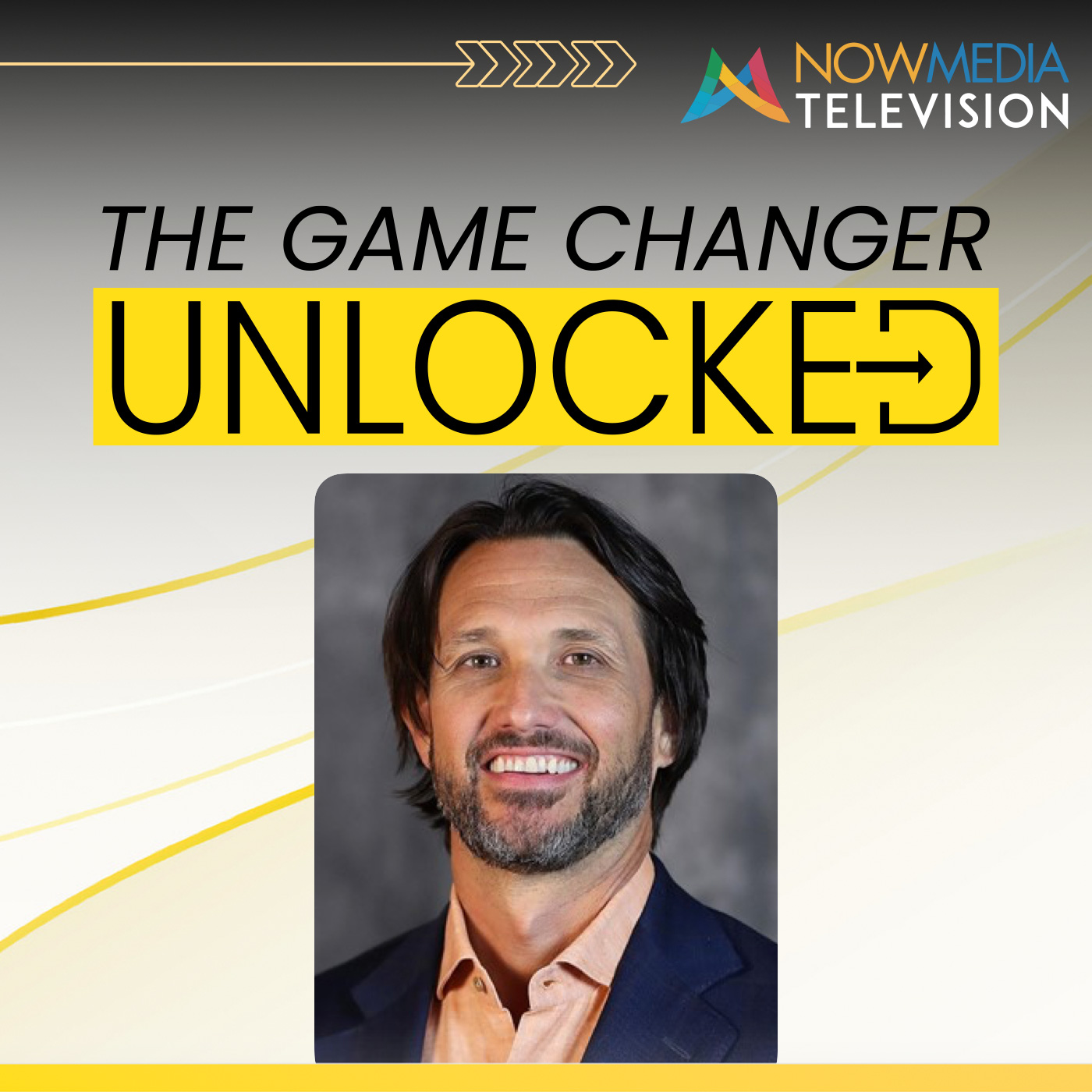
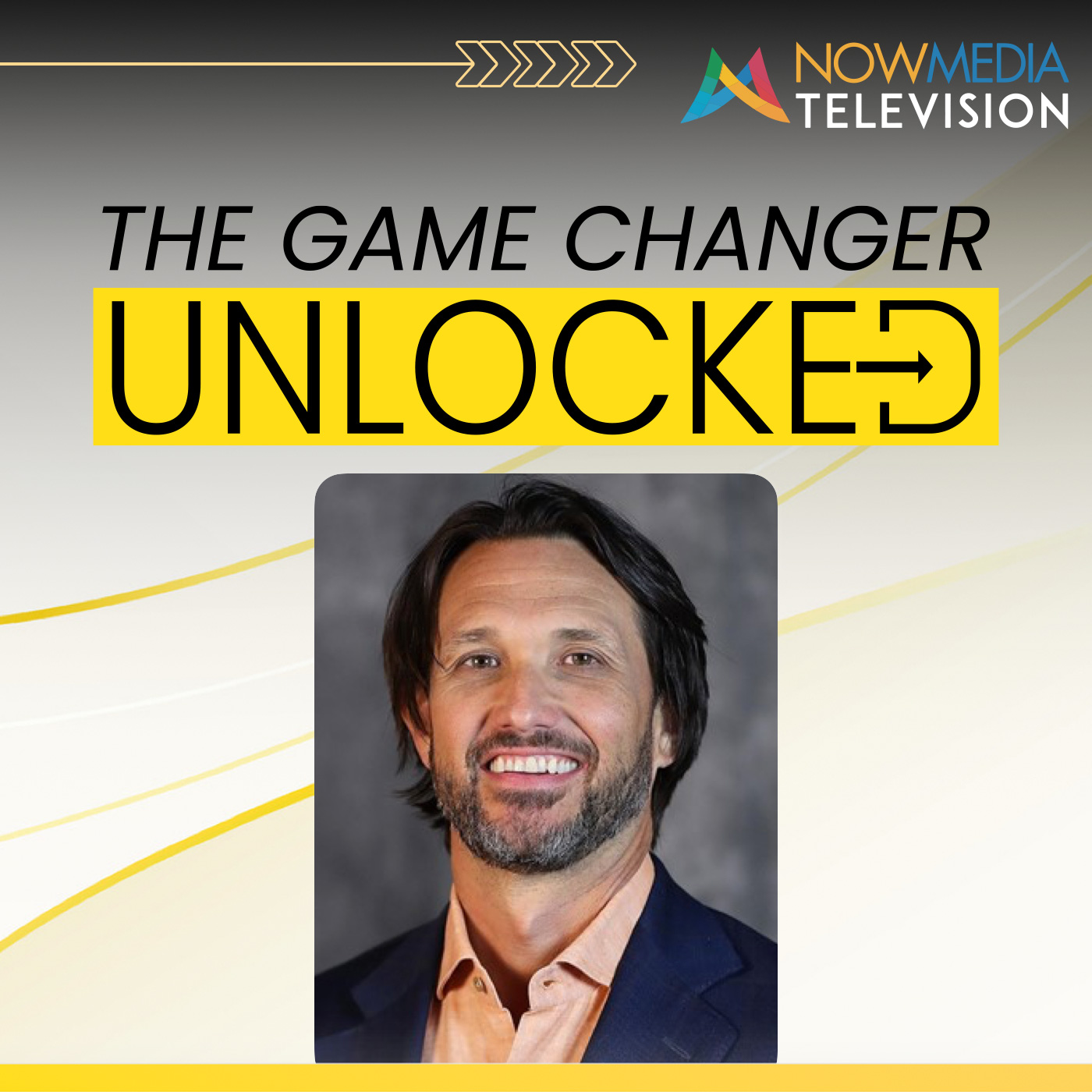
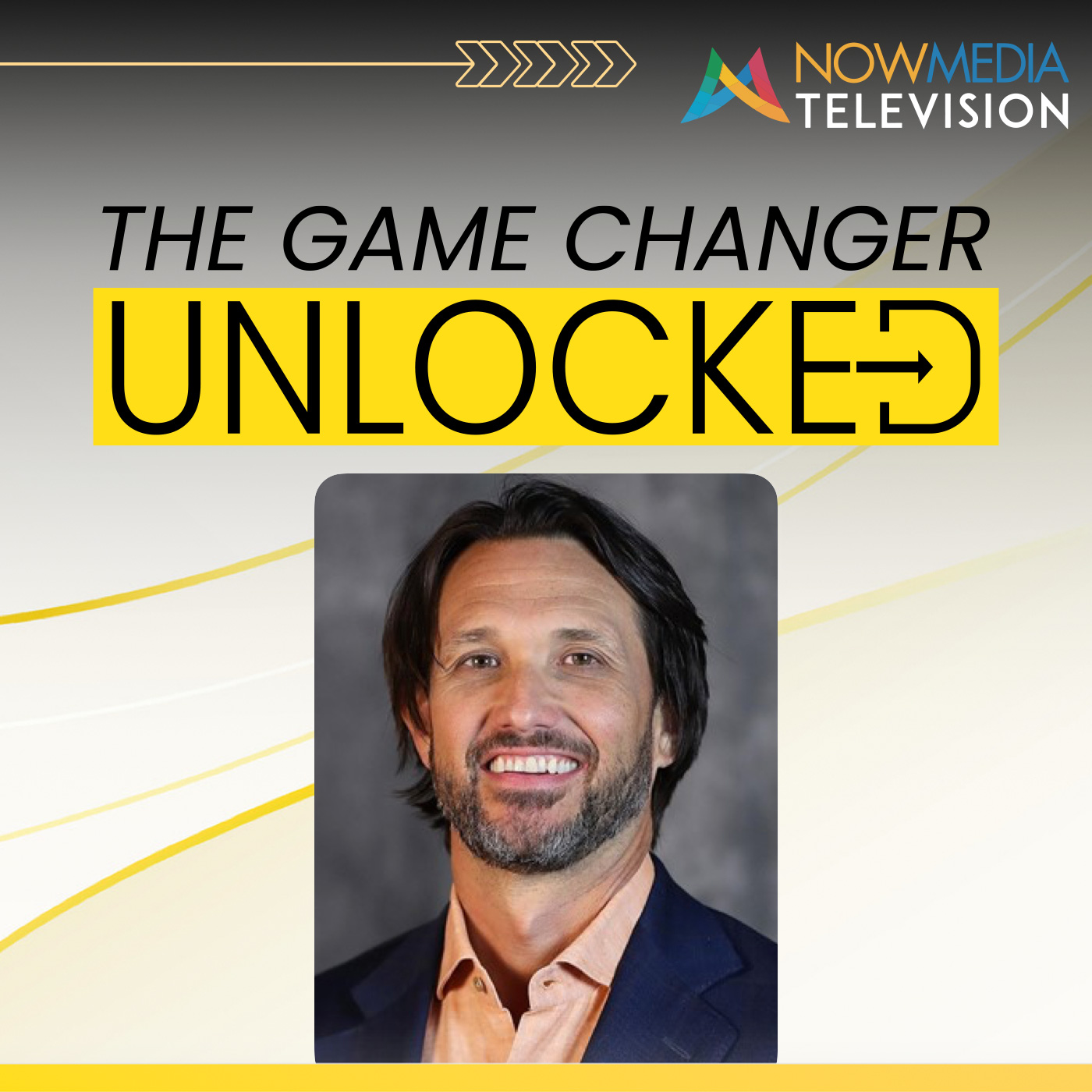
[00:00:06] Speaker B: Welcome to the Game Changer Unlocked. We're here to spotlight elite performances and the minds behind it. I'm your host, Brian Fetzer, and today's guest has spent more than two decades working inside professional and collegiate athletics and is one of the most respected names in the profession. Dr. Chris Carr currently serves as the director of performance psychology for the Green Bay Packers. And throughout his career he's worked across the NFL, NBA, Major League Baseball, wnba, and across so many major college athletic departments, helping athletes, coaches and executives navigate pressure, identity, leadership and team culture at the absolute highest levels of sport.
Dr. Carr, it is so great to have you here on the show. I'm excited to gain some wisdom and see some insight of what you've been doing.
[00:00:57] Speaker A: Thanks, Brian. It's a pleasure to be here and hopefully share some information that's helpful to the audience.
[00:01:04] Speaker B: I don't think there's going to be a question about that.
When you start looking at like, elite sports environments in sports, everybody watches some kind of sports, some something to do with sports around their lifetime.
Where do you see performance psychology making a big impact in the, in the elite sports environment?
[00:01:26] Speaker A: Wow. It's, you know, it's been an interesting career during this time that I've been doing it. I think when I started in the career, the idea was psychology was for people who were in trouble and had behavioral health issues or substance issues.
It wasn't really viewed in a proactive kind of preventative manner.
And I think as the field has evolved, we've become aware of where really sport performance exercise psychology has a wide range of impact, particularly in athlete mental health care, particularly in athlete performance consultation.
And it's been to me a privilege to watch the past 30 years or so how the field has evolved. I was recently at a conference and for five years I was the one psychologist for the Ohio State University Athletic department, which was at that time 36 sports programs and about 1100 student athletes.
And talking to their director now, where they have a staff of eight in that domain, we've really kind of seen the changes grow, not only in terms of positions, but I think in terms of visibility, in terms of education.
There are still stigmas for sure. I'm not saying we're over the hill yet, but we're closer to it than when I started, I'd say.
[00:02:55] Speaker B: I mean, sports has, you know, high level, you know, pressure and scrutiny really publicly, you know, with that said, you know, helping an athlete kind of prepare for a competition, how does that go about, I mean, what are some things that you you might do to help an athlete prepare?
[00:03:16] Speaker A: Well, I've never viewed it as a cookie cutter program. I think as a professional it's a, you know, having, having played college football even at the Division 3 level, having coached at one point thinking I was going to be a high school or college football coach, but, but coaching at the collegiate level, I never really viewed mental training or sports psychology as a cookie cutter program. And I think the one year during my doctoral work that I spent at the Olympic Training center in Colorado Springs and being able to work with that very high elite level athlete and multitudes of sports, individual and team, you see that, yes, we understand in the sports psychology academic side that there are interventions that are common and useful to athletic performance, but how they're implemented at the individual level is unique to the individual. And being trained as a counseling psychologist, so much of my training at the master's and the doctoral level was about, you know, the, the case conceptualization, the sitting down and doing the initial interview with your potential client and then identifying some goals that they had through that process.
And once you kind of start to know the personality and the person, their thinking process, their emotional intelligence, which we use now kind of the EQ term, once you get a sense of their cognitive awareness, their intelligence, you start to get a better idea at how you can best implement an intervention and tailor it to their specific needs and goals.
So I think from the individual level, it starts with a willingness of the person to engage in that process.
In other words, sports psychology can't be something done to you.
You know, in an integrated care system like we have here in Green Bay. We have strength and conditioning, we have sports medicine, athletic training, we have sport nutrition, we have player engagement, and we have performance psychology.
There is a, by necessity, a voluntary nature to the psych piece because you have to have a willingness and a sense of self awareness to engage in that process.
That's a little bit different than just going in the weight room where you have 10 reps, three sets, and it's kind of a closed skill dynamic that you do or you don't do.
And that's what I find just fascinating about the work I've done for 30 years.
[00:05:55] Speaker B: Well, I mean, what you just mentioned, I think a lot of people don't realize, I mean, they realize the strength conditioning piece of it. But when you're talking about a whole athlete, you have the, you know, the sports medicine side, the strength and conditioning side, and then the sports psychology side. Have you seen an increase of, I don't say acceptance, but putting into place across all professional sports.
Just adding sports psychology into the mix.
[00:06:25] Speaker A: Yeah, I've definitely seen the growth in the field and I think in the 2019 CBA between the NFL and the NFL Players association, it was mandated that every team had to have a designated mental health clinician.
And that position had a minimal requirement of being in the building so many hours per week during the season.
And their goal was to coordinate the mental health emergency action plan and to really kind of bring that to life. In terms of the other care, only eight teams have made this a full time position.
Where there are.
Green Bay was the second organization. I had been consulting with the packers for two years and then they made the commitment to the full time position so I could develop a program having multiple touch points for our athletes.
I think at the collegiate level, we're seeing more and more athletes coming, particularly in football, out of Division 1 football programs that have had psychology as part of that program, and not just psychology for the problem or the troubled athlete, it's really much more engaged in the performance domain. And I definitely have seen that growth.
And then in the professional space, you know, our whole value here is that the athlete has a psychological health continuum. You can't put mental training in a silo and mental health in another silo. It's the same human being and their life, their families, their relationships, their own development. Those are all part of their psychological growth and their psychological capabilities.
And that's what you're trying to maximize. Whether it's attentional control, whether it's emotional regulation, whether it's having clear focus and arousal that is relevant to the position or the demands of the sport.
There's just so many different touch points in that process. And I think we've gotten a little bit better.
The academic research is not as robust as I wish it was in our domain.
I think Europe, kind of, particularly in the uk, they've done really good research, academic research, but it has to be relevant to the population you're serving. And so I think there's a little bit of anecdotal growth just by having years of practice within a certain discipline where you can see kind of which interventions tend to have the best viability for the athletes that choose to use them.
[00:09:00] Speaker B: You said something that kind of got me thinking a little bit when it comes to like performing under pressure and, you know, something that. Is that something that could be trained or is it kind of largely just personality driven? You know, the guys.
[00:09:15] Speaker A: Well, you got to define what pressure is, right? Because for some pressure it's tryouts. Some of our players, the biggest pressure they will face is training camp because their goal is to make the 53 man roster. There's no guarantees or to potentially be a practice squad signee.
But another individual pressure may be starting a fourth quarter two minute drive when you're down by four.
So pressure has to be defined. And a phrase that's used here in this building, and I think this phrase has been out there in the sports domain, is pressure is a privilege.
When you have pressure, it means you've earned and worked towards an opportunity to have a really elite competitive moment.
And for me, working in the Olympic cycle with two Olympic sports and having gone to two Olympic games or multiple world championships, that moment could be defined as very pressure packed. Because at this moment it's a gold medal, it's a silver medal, it's a bronze or not on the medal stand.
That's a little bit different kind of pressure than when you're in the NBA and you have 80 something games.
So there's going to be blips on the radar and the impact emotionally may be very different for not meeting a goal in one of 82 games. Whereas if you have the Olympics every four years and your moment to compete. So I, I circle back to the idea of defining what pressure is and that's a fun process. When I work one on one with players is having them kind of define what is your pressure. What is pressure to you
[00:10:58] Speaker B: that makes such, it makes things clear.
When you say the Olympics, four years, NBA, 82 games, Major League Baseball, 162 games, there's a vast difference in that because you get one shot, one shot.
[00:11:14] Speaker A: Well, in the emotional management, I know when I, the five years I spent in Major League baseball, if you, if you lose a game with a walk off home run in the bottom of the ninth inning and you come into the clubhouse, the reality is, or if it was extra innings, you come in the clubhouse and in less than 24 hours you're playing the next game.
[00:11:33] Speaker B: Right.
[00:11:34] Speaker A: So it's psychologically healthy to have some detachment from that outcome.
Whereas the NFL, if you lose on Sunday, you've got another week.
So you have a little bit different kind of grieving or transitional process to deal with the emotional aspect of not just losing a game, but of winning games as well.
Basketball, we play a game, you know, lose or win with a three point shot at the buzzer and then two hours later you're on a plane flying to the next city.
So I think being able to help athletes define and understand better their emotional regulation to the demands of sport, not just competition, but training and practice and in particular injury rehab.
It can get pretty in depth. And that's where for me, the training I received as a psychologist, as a counseling psychologist has been invaluable to the work I do individually with players now.
[00:12:32] Speaker B: That's awesome. Hey, we're going to dive even more into leadership and culture and kind of dynamics on our second segment right after this break.
Welcome back to the Game Changer Unlocked. Loving what you're watching? Don't miss a moment of the Game Changer Unlocked or any of your favorite NOW Media TV shows, live or on demand, anytime, anywhere. Download the free Now Media TV app on Roku or iOS and enjoy instant access to our full lineup of bilingual programming in both English and Spanish.
If you prefer to listen on the go, you can catch the podcast version of the show, which right on the Now Media TV website at www.nowmedia.tv.
from business and breaking news to lifestyle and culture and everything in between, now media TV is streaming 247 ready whenever you are.
We're back with Dr. Chris Carr discussing We're going to start Leadership and Culture inside Elite sports organizations.
And Dr. Carr, I mean, you've worked across the gamut, Olympics, you know, NBA, NFL, Major League Baseball. Kind of the role kind of doesn't change, but it kind of changes, you know, when you work with rookies, veterans and even the superstar athletes, college, you know, coaching staffs.
How do you align different personalities to kind of make it cohesive because they're coming from all over the place.
[00:14:21] Speaker A: Yeah, I, you know, I think leadership training is one of those areas that becomes kind of a secondary dynamic of the role that I've had in the past. I wouldn't say I've ever really been brought in to do primarily leadership training, but obviously the issue of team cohesion and team culture comes up as part of performance. I mean, it's really relevant.
One of the things that I help coaches and organizations better understand is the difference between task cohesion and social cohesion. If you look at the cohesion research, at least in the sports psychology domain, they separate those two.
And the idea is that task cohesion is really about the degree to which others work together to achieve common goals, objectives, and behaviors that are required for an elite performance. So they're focused on the task. The social cohesion is the degree to which they enjoy being around each other and have that concept. Obviously, task cohesion is the desired cohesive factor because that's going to get you the best Performance of a team or a group.
Social cohesion impacts task cohesion in that the higher social cohesion you have with, along with high task cohesion, you have probably an optimally performing team.
But knowing that there's individuals that are working together is a key part of understanding those dynamics.
And so I think in the context of team sport, you have to have an understanding that within each team there's separate sub teams. So in football you have the offense, you have the defense, you have the special teams, and then within offense you have position groups, offensive line, quarterback room, wide receiver room, tight ends, defense, you have the defensive line, you have the linebackers, you have safeties, you have. So you understand in each of those position groups there's dynamics.
I think the key is for an organization or a team to define what is the desired culture that they want to operate from.
And whether it's themes like accountability, trust, love, communication, that's part of the process I think a team has to go through or it's a standard of expectations that is assessed during the pre selection process.
And you know, there are books written about leadership. And I really focus my work on cohesive nature of teams working together. And particularly in the NFL, the team concept is very, very important to success.
[00:17:12] Speaker B: I can imagine over the length of the career that you've had, you know, you've seen leadership changes and been a part of. When a coach gets fired, a coordinator, a captain gets changed or traded, you know, what does that do like psychologically to I guess, individuals, but then the room is a collective.
[00:17:35] Speaker A: Well, I think I've seen some situations where the change is a little bit of a boost to the energy and the emotional dynamic of the team potentially in a situation where the leadership wasn't operating at a high level.
And I've also seen a situation where there's that transitional grieving that occurs when there is a change.
When someone comes into a system though, I think it's more important that they have a very clear, concise and very specific teaching format and expectation for the group that they're now leading.
And if you can communicate that well and break it into specific behaviors and objectives, not personality types, because you're not going to get the same personality types ever. In a sports situation, you'll have similar characteristics. When I worked with the men's alpine ski team, I mean all those guys are a little off to be going 80 miles an hour down a mountain on skis. I mean there's, there's something there, right? But I think the difference between introversion, extroversion, the trait factors we talk about the Big five and Cattell's trait factor theory, I think you find some common themes and for coaches and leaders you need to understand your team.
And part of that is just taking the time to get to know what are those characteristics and traits so you can best create a culture and environment that embraces all the different character traits that come into that system.
And it requires work.
It's not just a one shot, three hour workshop or a one day go away retreat. It has to be practiced every day.
And I think the one thing that I try to talk about in the performance psych domain is it's hard to commit to a mental skills approach or a mental preparation plan. It is hard.
The techniques are not hard. What's hard is the commitment to be regular, habitual and develop it into part of your plan.
[00:19:43] Speaker B: So when you have the different athletes coming in or different coaches, you obviously have different egos. And how hard is that to manage egos? When the roles change because a kid coming out of college could been the superstar, they go on to a pro team and all of a sudden they're like you said earlier, they're fighting just to make the team.
That ego dynamics got to be a little different expectations.
[00:20:15] Speaker A: It's a great question, Brian, because I think if anyone had the specific answer to how you could manage that, they would be busy for 365 days a year helping teams designate that.
But we always talk about that. Oftentimes our greatest strengths are also our biggest weaknesses.
And I'm convinced that when a person has such high ego that they lack self awareness, that's when you get into problems because their perception is everything they do is right, everything everyone else does is wrong or compliant with theirs.
In my experience, and I'm just speaking anecdotally, really good leaders are very specific in their expectations, their cultural demands, their team dynamics that they are generating. But they are open and receptive to the flexibility. In other words, they're not writing it in ink, they're writing these things in pencil. So they have an adaptability and can make changes based on the roster turnover every year.
But that requires again a certain effort to be attentive to those and to create a communication process where athletes and staff can feel heard in that.
But I don't think you can with a crystal ball predict how a new position or leader is going to impact the group.
You know, I'm fortunate I'm in a culture that's well established.
The packers are one of the older organizations in the league and they have a pretty well established culture up here in Northeast Wisconsin. And I think successful coaches have been able to hook into that culture while establishing their own set of expectations and bringing players into the locker room that can manifest and demonstrate and live those same criteria. And you know, it's a, it's a, if you are in professional sports long enough, you're going to see lots of changes. And I'm not in the collegiate section, but I'm sure with a portal now and nil, you're going to see a lot more of those, those dynamics where you have individuals that maybe come out of three colleges and they're coming into an NFL system where you sign a contract, a rookie contract, three to four years. So if competition is there, you can't leave.
It's got a great point and I think there's, we're trying to even kind of find out how that impacts sometimes it's a great change. You play it in FCS for a few years and have some success. Yeah, you're going to want to go to a higher level because you know that's part of your evaluation.
But any elite athlete wants to challenge themselves and I think compete against a higher level of competition based on what their future goals are. You know, for me as a Division 3 athlete, a 240 pound offensive lineman, I knew there were not going to be doors knocked down to get me to the next level. So I was going to enjoy the four years that I played to the extent that I could just love the culture, the camaraderie and fortunately the success we had.
But I knew that there would be an end point when I played my last game.
So we look at the developmental context which I try to evaluate as we go through not only just the pre draft assessment process, but when players come into our system, helping them better understand their development, how willing they are to be patient, establish their own goals and have a realistic view of what they need to work on.
[00:23:58] Speaker B: That's awesome.
That's awesome. Hey, that's going to wrap up our second segment. We'll be back for a third segment with Dr. Chris Carr right after this. Commercial break.
If you're just joining us, we're talking with Dr. Chris Carr and we're talking about the, we're going to talk about in this segment the balance between mental health and elite performance.
And we, we talked a little bit, you mentioned it a little bit earlier, the differences between mental health and mental performance. Can you kind of expand on that a little bit just to give the audience an understanding?
[00:24:48] Speaker A: Yeah. You know, when I, when I went back for graduate school and I was going to be coaching, I did a master's in counseling psychology. I had been a psychology major as an undergrad and I wasn't interested in the research or what we called the rat psychology, which was kind of the, the research piece and the social psychology was interesting. But I was always involved in the helping profession.
And so counseling psychology as a specific area to me felt like a good fit.
And initially thinking I might be a high school guidance counselor, maybe teach social science, but be a coach, the, the master's in counseling gave me an opportunity to do practicums in doing counseling and therapy training.
And that led to me working four years in adolescent addictions.
After I finished my master's, which was invaluable to my future then choosing a PhD in counseling psychology was very intentional because I knew I wanted to be a sports psychologist that worked with athletes. I thought if an orthopedic surgeon could train in sports medicine or a primary care physician could train in sports medicine, why couldn't a psychologist train in sports psychology?
And so fortunately, when I went back to do my PhD, the chair of the School of Physical Education, Dr. Richard Cox, his textbooks were in sports psychology. So we created a minor in my doctoral training. So I was getting academic training and then at the same time had the opportunity to go out to the Olympic training center for a year as a research assistant. And I can tell you, as a trained psychologist, I didn't get any of that coursework just by nature of being in a counseling or even looking at clinical psych programs. Now I pigeonholed myself, which I was okay with.
To me, every athlete that I sit with is a human being first in this environment. Now they are all young men and they come from families, they have relationships.
And as young men, their, their brain, their central nervous system guides and directs a lot of the behaviors and the emotions and the content of their cognitive abilities.
To separate and say, well, mental health is separate from mental performance never made sense to me. And I know I'm a little bullheaded at times, but I was at a conference where a speaker said, when he was asked a question, he was a non licensed kind of a mental coach who was using the term sports psychologist, by the way.
He said, I don't deal with personal issues, I just deal with performance issues.
And, and that did not resonate. How do you do that? And of course, not being above being assertive, I, I rose my hands and asked how he did that and said, so if you're saying you Have a client who is not performing well in their professional sport in their contract year, they don't take any of that home to their relationships or their family.
And on the flip side, if you have a professional athlete whose significant other was just diagnosed with a cancer or a very bad illness, that's not going to impact their sport perform, I, it does not make sense to me. No, I understand why that's used. Because individuals that do not get licensed in a mental health specific domain, whether it's being a psychologist, clinical social worker, psychiatrist, it's the degree to which they're trained.
And here we talk to our players about a psychological continuum of health, just like their physical continuum. If at one end there's an athlete who is optimally performing fast, strong, they're capable of doing their drills or capable of running their routes, they're, they're an elite athlete and they tear their acl, they're going to move down the continuum.
And if there's an athlete who has psychological health ranging from this one end where they are emotionally intelligent, they, they're making good behavioral decisions, they're not using maladaptive coping patterns, but they have a family crisis or they have something comes up, they get injured, they're going to come down this.
So the idea of having a continuum of health instead of a siloed view of mental health, which I think stigmatizes mental health, is the way I've approached my training, my supervision with students that I've worked with in the past.
And I think because of that, I think more recent ability to kind of talk about them both in the same concept, I think we're starting to understand that these are individuals, whether they're an adolescent athlete, female collegiate athlete, a NBA athlete, an Olympian, they have mental health as a nature of being a human being.
My concern professionally, and I've been involved in the American Psychological association and professional organizations, is that they're receiving help from competent and skilled providers.
And so for me, as a psychologist, I feel that having the sports psychology training just gave me a bigger toolbox of interventions.
For me, I think there's confusion to the consumer about what a person's background and training is. And we collected data for five years at Ohio State and I had a halftime postdoctoral fellow working with me that was in clinical or counseling psychology. They were working towards being a psychologist.
And we found that 90% of the student athletes who reached out individually indicated they had a performance issue. But less than 30% of our actual clinical work or counseling work was performance enhancement. It was other phase of Life stuff. And so I just anecdotally over the careers and it's easy to say, well, you're a psychologist, you're going to see things that way.
Yeah, probably so. Because I trained to have a deeper ability to look at each individual that comes in and help them create the goals and objectives of what they're working with me on.
[00:31:13] Speaker B: That makes a lot of sense. And you kind of touched on like nowadays it seems like there's performance coaches all over the place, but there's a distinct difference between somebody that is a performance coach and somebody that's a licensed psychologist.
[00:31:31] Speaker A: Yeah, it happens in all the disciplines in strength and conditioning. There are coaches that aren't certified by CSCS or they haven't received a master's degree in exercise physiology or the right training in sports medicine. You have trainers who may have trained in a different modality than becoming a certified athletic trainer, physical therapist or MD in our field. It's just because of the motivational component.
I think there's a higher degree of confusion and to me even more disarming is when a psychologist promotes themselves as a sports psychologist but they cannot demonstrate their sports psychology training and supervision and experience, which is well defined in most state laws regarding the practice of psychology that you practice in your area of competency. But these are all the kind of issues for I think as the field evolves, the hiring entities need to be aware of and have a better sense of what should we be looking for? Because there's going to be diversity and there's going to be differences in people who are licensed and people who do have the dual training.
We're going to have different styles and we're going to have different approaches and probably different audiences that we can impact.
So it's, I think it's still a developing component in this field, probably like athletic training and strength and conditioning were years ago.
[00:33:03] Speaker B: Makes complete and total sense.
It's going to wrap up the third segment of our show with Dr. Chris Carr.
If you know you haven't been watching all of it, you just tuned in, hit the on demand because Dr. Carr has been giving us some incredible knowledge and incredible insight on the world of psychology and specifically sports psychology and mental how you know, how mental health and mental performance kind of go hand in hand. We'll be right back after this commercial break with our final segment with Dr. Chris Carr.
Welcome back to the Game Changer Unlocked.
Loving what you're watching. Don't miss a moment of the Game Changer Unlocked or any of your favorite now media TV shows. Live or on demand, anytime, anywhere. You can Download the free Now Media TV app on Roku or iOS and enjoy instant access to our full lineup of bilingual programming in both English and Spanish. If you prefer listening on the go, you can catch the podcast version of the show right now on Now TV. Now Media TV.
The website is at www.nowmediatv and you can listen to for business, breaking news, lifestyle, culture, everything in between. Now media TV is streaming 247 ready whenever you are.
In our final segment with Dr. Chris Carr, some clutch performances and maybe the future of mental training in Elite Sports.
And Dr. Carr, you know, what changes psychology when teams kind of enter that championship mode? I think, you know, people might think that there's a difference and maybe there isn't. And you've seen, you've seen it across all different professional sports.
Is there something that kind of changes psychologically?
[00:35:12] Speaker A: You know, hopefully not.
What we talk about is process versus outcome.
And if you look at goal setting research, there's a lot of emphasis on kind of process goals versus outcome goals in a more general and global sense. If a team has achieved the level to be in the playoffs or to be in a championship, there's a process that's been in place that's worked pretty well for them.
One of the things that I've said in the Olympic competitions and national championships is don't change your process because it's a playoff. Don't change your process because it's the Olympics. Trust your process. And I think this is oftentimes where the big events often cause people to kind of feel like they're missing a piece or they need to add something when the reality is the process that got them there is typically going to be the place of most comfort which allows them to be in the most optimal performance mindset.
So in my impression, the ability to stay process focused and to trust your process allows you to breathe, relax, and see the competition as just another performance.
Let everyone else, the media, discuss how big this is, and it's let everyone else focus on that. But if you get your focus and you have a good trusted process, which includes, by the way, your mental approach, then I think you have a strategy and a, and an ability to perform at an optimal level when it counts.
[00:36:48] Speaker B: We hear this so many times. You hear it on tv, I should say, you know, oh, this person's a clutch performer.
Is that something that's born or can it be built?
[00:37:02] Speaker A: I don't know about the born part because I don't think every human being is born into being A competitive performer where performance is part of their dynamic. I think they have the capacity for sure, but it's definitely something that can be built.
I think being a clutch performer is like defining me as being a little follicle deficient.
It's a statement of the obvious that if a person performed in the clutch moment, then they can be described as a clutch performer. But maybe they just performed what they had been performing all season.
It's been fascinating in my experience with, excuse me, with Olympic champions, champions in Division 1 athletics, people who have had a high degree of success in the professional sports, they don't see that moment as something unique. They see it as an opportunity for them to do what they already know how to do.
And that allows the trust, it allows the composure, it allows them to focus on the right cues and it really allows them to have the energy that's required instead of burning themselves out with anxiety because they perceive the moment to be bigger than what it is.
And in my experience, that's what the really elite performers are able to do. Now, if you want to call them clutch performers in a descriptive sense, that makes sense. But I think most athletes, and just reflecting on 30 years, they would say that they were just doing what they already knew how to do and it counted.
[00:38:42] Speaker B: And that makes, it makes a lot of, a lot of practical sense.
When do you do you see burnout in, in the, in the professional sports world? May, maybe this might be for, for coaches and how, how does that kind of navigate through, from a, from a mental side?
[00:39:02] Speaker A: Boy, that's, that's a four segment question in and of itself.
Yeah, I think, I think you start to experience a little bit of burnout when you start to lose some of the passion and you start to lose some of the internal drive and the intrinsic motivation of why you do your sport.
I think that's when you start to experience some of the burnout. I also think how youth sports has evolved and the sub specialization in getting into one sport very early that you train year round.
I know in the college setting I would see athletes even as sophomores in college on full scholarships, they were getting burned out because they had been doing their sports so long and other people's motivations were the reason why they were spending all those hours. Because when they were 8, 9 and 10, that concept of internal motivation and intrinsic reward isn't really part of our development.
And so everything is external when you're younger. But if you cannot find that button, I think the fuse starts to be a little bit shorter. And I think in the coaching discipline, you see that sometimes because of the, the short tenure of the job itself and the fact that there is such high turnover and it's so attached to a performance that you really don't have control over because you can call the best play, but if one of the 11 players doesn't execute it, then it's a two yard loss.
Right.
But that's part of the business and part of understanding your performance domain is understanding the demands and challenges in sport.
So I think in burnout can kind of what precedes burnout is a little bit of staleness. And they call that phase staleness when you're just kind of lacking the drive and motivation. And I've always kind of said if, if July and training camp comes around and I don't get that excitement with the smell of the grass and just being in the hearing the cleats on the. When I don't have that, that's time for me to turn the page and move on because I don't think I'll be as effective. And we know that staleness and burnout can impact the performance of the individual. So if you're in a career or job where you're feeling stale and burned out beyond just a situational variant, you know, a situation where maybe causes it with a change, I think if you get to that stage, your performance is going to drop anyhow because you're just not at that optimal level.
[00:41:34] Speaker B: Makes total sense. You mentioned just a little bit ago about youth sports and I wanted to kind of try to touch on this and this would be a long conversation, I'm sure, But over your 30 years, have you seen the emphasis of youth sports affecting later on and I probably would say even touching on more like the parental involvement in youth sports and the kind of the pressures that they put on their kids.
[00:42:01] Speaker A: Yeah, it's, it's definitely changed from the days when I got cut as a fifth and sixth grader in baseball.
There was nothing like being in middle school, seventh grade baseball and having tryouts and then the coach would in the locker room post a sheet with everybody that made it while all of us are in the locker room looking to see if our names are on that list or not.
[00:42:23] Speaker B: I remember that.
[00:42:24] Speaker A: I think the participation engagement is a positive because kids get a chance to compete and at the same time I think they oftentimes don't get to experience the setbacks and the adversities that make people stronger.
I'm not going to put a moratorium on youth sports. It's clearly become a billion dollar industry and myself. I had a daughter who at the age probably seventh, eighth grade, kind of made a commitment that she loved her sport, which was gymnast and she was 20 hours a week of practice and, and had injuries and was fortunate enough through her efforts and her discipline and her hard work to compete four years as a Division 1 gymnast.
But we lived that and we saw that. And I kind of always had the philosophy that if she didn't love it, and I don't mean a practice that was hard or a conflict with her coach that we had to learn how to cope with, if she just honestly kind of lost her love of it, she could talk to my wife and I and we would give her the opportunity to explore options. But the reality was you're doing something and there wasn't nothing was not an option.
So there was always that sense of trying to keep it within kind of the boundaries of helping them navigate kind of their motivation and their process.
And she's now gone on and she's coached at gymnastics club level and does personal training and she's found her passion.
And I think I was blessed to find my passion 30, 40 years ago.
And there's not a day that goes by I don't love coming in here and working with these young men and working with these staff to try to optimize and it's based on all those experiences. I don't know that youth sport is giving those kids the same experiences and the costs that are involved for parents. I know when I was in my practice where I saw young kids, I didn't see a kid younger than 12 and I was seeing 12 year olds with anxiety issues that were manifested inadvertently, oftentimes by parents just trying to provide. They weren't, they weren't creating anxiety for the sake of making their kid feel miserable. But it was just so competitive and there were so many factors.
I think there's challenges, but I know there are people who specialize in that domain that can speak to that. But I agree with you 100%. It could be a five segment special just to talk about you sponsors, right?
[00:44:57] Speaker B: Hey, Dr. Carr, I appreciate you coming on the show.
Your wisdom is awesome and I love listening to it. My mind, you got my mind going in like 5,000 different directions of thinking about different things.
[00:45:12] Speaker A: So. But, well, sometimes, sometimes just scratching the surface in different areas gets people to be thinking about it. I know for me there's always a depth that I feel that I miss. But if I share just from my experiences and 30 something plus years in this field. I think I've learned some things and it was great being, being here and, and the questions were great and hopefully the audience gets something from it.
[00:45:37] Speaker B: I don't think there's a question about that. Thank you again.
[00:45:40] Speaker A: You bet. Thanks.
[00:45:42] Speaker B: Today's conversation with Dr. Chris Carr reminds us that performance isn't just physical, it's psychological. Talent might open up the door, but mindset determines how long you stay in the room and navigating the high pressure environments and building culture and resilience. Dr. Carr's words work reinforces the simple truth. Pressure doesn't create character, it reveals it. In preparation and whether you're stepping onto a field, leading a team, leading organization, or going into a boardroom, the ability to regulate emotion, respond to adversity and lead with clarity is what separates the good from the great. Thank you, Dr. Carr, for giving us an inside look at what it truly takes to perform at the absolute highest levels of sport. I'm Brian Fetzer for the game changer unlocked. Stay focused, stay ready, and more importantly, keep changing the game.